
The HPV Project
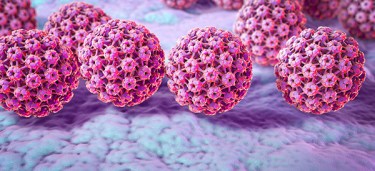
Human papillomavirus (HPV) is the most common sexually transmitted infection that accounts for approximately 5% of all cancers worldwide and affects more than 80 million people in the US alone, according to the CDC and National Cancer Institute. Human papillomaviruses are small, nonenveloped, icosahedral DNA viruses that infect squamous epithelial cells. The viral particles consist of a single double stranded DNA molecule bound to histones and contained within a protein capsid composed of structural proteins late (L)1 and L2. To date, over 100 different genotypes of HPV have been identified, and approximately 15 types (HPV-16, -18, -31, -33, -35, -39, -45, -51, -52, -56, -58, -59, -66, -68, -82) are considered oncogenic in cervical, vulvar, vaginal, anal, penile squamous epithelia, and more recently, in head and neck squamous cells. This study aimed to develop an experimental methodology that will allow for the safe and effectual detection of HPV among members of Coastal Carolina University. We also intend to understand the attitudes and behaviors that contribute to the prevalence of this disease on our campus.
Environmental Bacteriophage Project
The purpose of this research is to detect naturally occurring, lytic bacteriophages and identify the environmental factors that influence their presence on Coastal Carolina University’s campus. Bacteriophages are non-living viruses that only infect bacteria, and these viruses are found in abundance in every environment. Likewise, coliphages are viruses that exclusively infect coliform bacteria. Eleven treated and untreated freshwater sample sites were chosen for weekly sampling on CCU’s campus. During water sample collection, ambient environmental conditions were measured. In addition, precipitation was tracked over the collection period as runoff relates to the proliferation of bacteriophages. If plaque assays indicated the presence of lytic bacteriophage, then the environmental samples underwent PCR (Polymerase Chain Reaction) identification. Over the collection period, coliphages were detected on CCU’s campus and identified based on genomic information. With the collected precipitation data and observed positive results, the correlation between environmental factors and the presence of bacteriophages on campus were determined.
 The Heart Worm Project
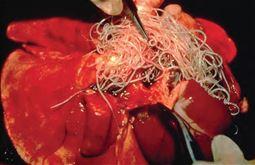
Mosquitos are known to spread numerous diseases throughout communities, including Dirofilaria immitis, better known as heartworm. In 2019, The American Heartworm Society reported that 5.7% of all dogs tested in South Carolina had heartworm. This made South Carolina rank in the top three states of heartworm incidents in the United States. Developing a test to detect the presence of heartworm in mosquitos can be a valuable asset for proper health protection in our community by monitoring its presence in the community, as heartworm can be potentially fatal to a variety of animals. Primers were taken from previously published literature that target unique sequences in the cytochrome c oxidase (COI) gene and the mitochondrially encoded 12S ribosomal RNA (12S) gene. The primers were verified using an NCBI blast search. With these primers we will be able to determine if a mosquito has heartworm. Over this past year, our goal has been to develop a test that will not only be able to detect heartworm in the community but enable the public to gain more knowledge and understand the potential threat to their pets and animals. If successful, this test has the potential to revolutionize the preventative measures against heartworm in animals, as well as better alert the community to a potential threat of heartworm.
 Dr. Paul E. Richardson