

Development of a Simple Polymerase Chain Reaction Screen for Human Papillomavirus
Human papillomavirus (HPV) represents the most prevalent sexually transmitted infection globally, with an estimated 80 million individuals currently infected in the United States alone, according to data from the Centers for Disease Control and Prevention (CDC) and the National Cancer Institute. Globally, HPV is implicated in approximately 5% of all cancers, underscoring its significant public health impact.
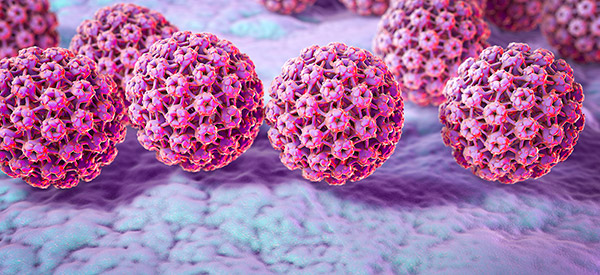
HPVs are small, non-enveloped, icosahedral DNA viruses that specifically target squamous epithelial cells. The viral genome consists of a single double-stranded DNA molecule complexed with host histones and encapsulated within a protein capsid composed of the late structural proteins L1 and L2. To date, over 100 distinct HPV genotypes have been identified, with approximately 15 high-risk types (including HPV-16, -18, -31, -33, -35, -39, -45, -51, -52, -56, -58, -59, -66, -68, and -82) classified as oncogenic. These high-risk genotypes are associated with malignancies of the cervical, vulvar, vaginal, anal, and penile squamous epithelia, as well as oropharyngeal squamous cell carcinomas.
The objective of this study is twofold: first, to develop and validate a safe, reliable, and effective experimental methodology for the molecular detection of HPV among members of the Coastal Carolina University community; and second, to investigate the knowledge, attitudes, and behavioral factors that may contribute to the prevalence and transmission of HPV on campus. Through this dual approach, the project aims to enhance both diagnostic capabilities and public health awareness, ultimately contributing to improved prevention and education strategies within the university population.
This research funded by: Summer Undergraduate research Fellows program
This research funded by: GUPTA Research Fellows

 Dr. Paul E. Richardson