
 Heart Worm Project
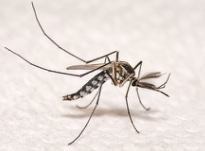
Mosquitoes are globally recognized as vectors of numerous infectious diseases, including parasitic, viral, and bacterial pathogens that pose significant threats to both human and animal health. Among these, Dirofilaria immitis, the causative agent of heartworm disease, is a filarial nematode transmitted through the bite of infected mosquitoes. Heartworm disease primarily affects canines but can also infect felines and other mammalian hosts, leading to potentially fatal cardiopulmonary complications if left untreated.
The southeastern United States, particularly South Carolina, continues to experience a disproportionately high burden of heart worm disease. According to the American Heartworm Society’s 2022 Heart worm Incidence Map, South Carolina remains among the top three states in the nation for heart worm prevalence, with veterinary clinics reporting an average of 25 or more heartworm-positive cases per year. This represents a significant public and veterinary health concern, especially in regions where mosquito populations are abundant and environmental conditions favor year-round transmission.
In response to this ongoing threat, our research initiative has focused on the development of a molecular diagnostic assay capable of detecting D. immitis DNA in mosquito vectors. The primary objective of this project is to establish a reliable, sensitive, and specific method for early detection of heartworm presence in local mosquito populations, thereby enabling proactive surveillance and targeted intervention strategies.
To achieve this, we selected primer sets from previously published literature that target conserved regions of the D. immitis mitochondrial genome, specifically the cytochrome c oxidase subunit I (COI) gene and the 12S ribosomal RNA (12S rRNA) gene. These genetic markers were chosen due to their high copy number and species-specific sequence variability, which enhance the sensitivity and specificity of detection. Primer sequences were rigorously validated using the NCBI BLASTn tool to confirm their alignment exclusively with D. immitis sequences and to eliminate potential cross-reactivity with non-target organisms.
Over the past year, we have optimized polymerase chain reaction (PCR) protocols using positive control DNA to ensure robust amplification of the target regions. Preliminary laboratory trials have demonstrated successful detection of D. immitis DNA in spiked mosquito samples. Field testing is currently underway, utilizing mosquito specimens collected from high-incidence areas within Horry County, South Carolina.
The successful implementation of this diagnostic assay holds significant promise for enhancing community-level surveillance of heart worm transmission. By identifying infected mosquito vectors prior to the onset of clinical disease in companion animals, this tool can inform public health responses, guide veterinary preventative care, and ultimately reduce the incidence of hear tworm disease. Furthermore, the dissemination of findings through public education initiatives will empower pet owners with knowledge about the risks of heartworm and the importance of year-round preventative measures.
This research funded by: SCINBRE
This research funded by: GUPTA Research Fellows
_______________________________________________________________________________
Disease Fact Sheets
Heart Worm Fact Sheet
Hook Worm Fact Sheets
 Dr. Paul E. Richardson